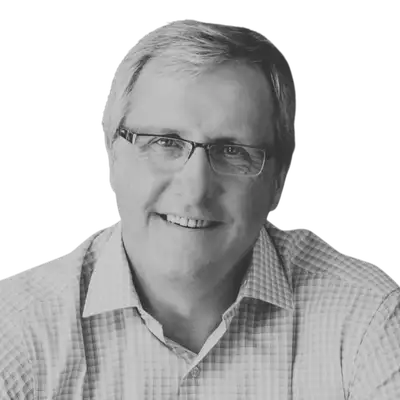
Portfolio Conversations with Mike & Zed: With Guest Nikhil Vaish, Brand Doctor with Boost Solo
PEERING 13 - Nikhil Vaish
===
[00:00:36] Mike Richardson: Hey everybody. Welcome back to another episode of the Peering Podcast, the addition that we call portfolio Conversations, where we're gonna talk more and more and more about this evolving trend, everybody that we're seeing left, right, and center towards portfolio careers. Really excited about this one because uh, I have my cohost back.
Zed, welcome back man.
[00:01:01] Zarir "Zed" Vakil: Hello, Mike. Good to be with you and, uh, looking forward to this one.
[00:01:05] Mike Richardson: Awesome. Fantastic. Z as you know, is in London. Uh, and, uh, we have a special guest today we're really excited about. We've been getting to know Nikhil Vsh over the last couple of years because he joined our portfolio Pier Forum a couple of years ago. Welcome, uh, uh, Nikhil. It's great to have you here.
[00:01:22] Nikhil Vaish: Thanks, Mike. Thanks, Zed. I'm excited for this conversation too.
[00:01:25] Mike Richardson: Yeah. And, uh, Nikhil is on the East coast, uh, in the, in the greater New York area of Nikhil? Correct.
[00:01:32] Nikhil Vaish: yeah. I'm actually in New York City,
[00:01:34] Mike Richardson: Okay, great. So we've got ourselves a bit of a global episode going on here. All we need now is my brother in Australia, guys, and we would be covering, you know, 360 degrees of the, of the globe here.
[00:01:45] Zarir "Zed" Vakil: Mike in the.
[00:01:48] Mike Richardson: Yes. Yes, he would. In fact, I'm still in the dark here. If you're watching the video, everybody, I'm still in the dark. Um, so we were just doing the math everybody before we came on the, on the episode here. And, uh, Nikhil has, it's a little bit fuzzy, but let's say he has 18 years. As a portfolio professional pursuing his portfolio career.
I've got 25 years now, and Zed, you've got at least 15. How many years do you have?
[00:02:18] Zarir "Zed" Vakil: Uh, it's a bit more, you're very kind. Uh, Mike, uh,
I think it's coming up to 20 years, uh, in a, in a portfolio situation. Yes.
[00:02:27] Mike Richardson: so we've got, you know, we've got nearly, uh, more than 60 years here, uh, uh, together. So, um, you know, uh, lots of experience to draw upon. And, uh, Nikhil, let's come to you. Thanks so much for being here. Remind us how and where and when did we all meet?
[00:02:48] Nikhil Vaish: You know, I, I'm, I was thinking back to that and I think, uh, it was Z and I met on a networking call on, uh, TPC, and that was kind of how this whole thing started. Uh, and then I met you, Mike through Zed, but yeah, it was,
[00:03:01] Zarir "Zed" Vakil: Don't blame. Don't blame.
[00:03:03] Nikhil Vaish: I'm holding you responsible, Zed.
[00:03:05] Mike Richardson: And Z, why don't you tell us, Zed, tell us a little bit more. What the heck is TPC? What is that?
[00:03:10] Zarir "Zed" Vakil: Uh, yes. Good, good point. Because some of our listeners won't, um, understand that acronym. TBC is the portfolio collective. It was a community that I joined, um, uh, in the thick of COVID actually in 2020. Uh, and during that time, I, I learned so much about individuals who are in embroiled in this. Great, um, resignation as it, I think it was called at that time where there was a lot of folks.
Leaving their corporate lives and getting into something of their own, et cetera. And I, at that time was, I guess a traditional consultant, interim fractional person. And I discovered that I had a lot to, um, give and a lot to offer a community, uh, of people that I didn't actually know, a core portfolio professionals at that time. my take on how my life had had gone since I left corporate. And, um, Nik is one of many, many scores of people that I spoke to at that time, uh, uh, about my experiences and in, in a, in a really, in a, in a passionate purpose sense, wanting to serve them and serve others and get ourselves out COVID.
[00:04:19] Mike Richardson: Beautiful. Yeah. And I, I became a member of the portfolio collective, TPC, and that's where we all met. That's where Zeed and I met. So, um, Nikhil, so, um, let's start off by you sharing with us, what do you have in your portfolio, uh, today? What do you do? What are your activities?
What's your passion? What do you focus on? And then we'll, we'll go from there. So what's in your portfolio, Nikhil?
[00:04:42] Nikhil Vaish: So, uh, it, it's become a lot more focused. I mean, uh, to Z's point earlier, I had a bunch of different things I was doing when I was doing sort of more of the traditional consulting as we know it. Um, I was working with nonprofits with. Startups with, you know, large holding companies and their roster of agencies across different types of clients.
But then after COVID and I sort of took the leap to solo entrepreneurship, and we can get into that if you want, in terms of what the catalyst was. Um, but I've completely focused on, I've started a company and now I work really just with solopreneurs and coaches at that as a brand doctor for coaches. So that's really what my single-minded focus is.
Now, I don't, I'm stripped away all my consulting, all the other stuff. I don't work with corporations or companies anymore.
[00:05:24] Mike Richardson: Yeah. Oh, brand. Did you catch that? Z Brand doc brand Doctor? Tell us more about that, Nik. What do you mean by that?
[00:05:35] Nikhil Vaish: Well, so that's the whole point of Boost Solar, right? I work with people who are really great at what they do, but struggle to articulate why they're, they are the only right choice for their clients, right? And I, what I've found is that sort of the market is obsessed with executional tools. Everyone's selling the hammer, right?
But most people don't know where. What nailed the hit is the way I think about it, right? Because everyone's selling AI automation, content engines, funnels CRM systems. So I call that the hammer, but. Uh, if you're not clear on sort of the nail you're trying to hit, then you, you know, you're just gonna sort of be, it'll be scattershot.
And most solopreneurs sort of jump from, I have an offer to, I need leads, but they miss the most critical layer, which I call pre-marketing positioning. And that's really what my focus is, helping them build that, um, strategic layer.
[00:06:22] Mike Richardson: Yeah,
[00:06:22] Zarir "Zed" Vakil: That sounds like Mike, that sounds like the old, uh, Theodore Levit drill and hole, um, uh, analogy,
[00:06:30] Mike Richardson: Yeah, you're not Exactly, you're not. Tell us what, tell us more about that. Z. What are you getting
[00:06:34] Zarir "Zed" Vakil: Yeah. Fido Everett was a, a, a believer, um, a marketing professor in, uh, at Harvard in the sixties, uh, who developed this concept that, uh, you know, it in value proposition design, we're concentrating on features and benefits of the product, but failing to anticipate or indeed recognize or design the value prop that's rec required.
If you like, I mean, I heard someone say once, you know, good, good marketing people, uh, are selling the, the, the drill. Um, reasonable salespeople are selling the whole, but the best people are selling what the customer wanted the whole for in the first place. And I think that analogy is to live with me. I had a lovely anecdote, if I may, uh, quickly.
I was doing a workshop for a company, it was actually an estate agency chain some years ago. And I was doing this workshop, and I went through this, um, uh, drill and whole, um, analogy, uh, for the purposes of value proposition design. And having gone through it, thinking, oh, it's of course very clever. As the workshop leader, uh, a young lady put her hand up and she went, I think we've got this wrong.
And I said, go again. She goes, I don't think it's about the whole either. And I went, oh, what, what is it about? She goes, it's about. It's about the customer's memories of the photograph they wanna put on the wall. And I went, you've got it, girl. Um, and that's stuck with me ever since, that you can really deep dive in into,
um, Mr.
Levitts Professor
[00:08:00] Mike Richardson: the, it's the, it's the picture that's hung on the screw in the hole, or it's the bathroom cabinet that got put up, or it's, or it's the deck that you built or whatever it is, right? So, uh, back uh, back to something you said, Nikhil, you used the word solopreneur. Now I think, you know, in this portfolio space, right, there are so many confusing, competing, conflicting kind of terminologies.
So let's talk a little bit more about. What do you mean by solopreneur?
[00:08:29] Nikhil Vaish: Um, I, I, I think I just. Describe it two ways, right? It's basically people who are building a business around their life, not the other way around. 'cause to me, the traditional entrepreneurs is building a business. They don't, you know, life is almost secondary. And they have, and these are also not people who are looking for venture capital or private equity investment.
They just want to take a skillset or an expertise and turn it into a consistent revenue stream. Uh, and they're not looking to become unicorns and most of them don't even ever want to have. Right. They may have contractors and you know, part-time people, but they don't wanna manage teams and people. So that is how I define the solopreneur.
And you're right, because it's such a new space, I think there are, you know, multiple portfolio professionals is another way it's described. I think solopreneur, at least now in the US, is pretty common. But you know, and it's catching on other parts of the world too. But there are still many ways to, but those are the two distinctions I make in my mind, at least.
[00:09:26] Mike Richardson: Yeah, yeah. In, in, in the LinkedIn group that we have called PXO, uh, portfolio, um, professional exchange, we actually put a post in there where we're trying to accumulate the sort of comprehensive list of all these competing terms. And, um, uh, solopreneur is on that list 'cause we heard that from you. Um, and you know, for me it all starts with.
Being self-employed. Right. That actually is one of the most contrasting ways to think about it. Um, and as, as you, you just nailed it, right? Because when I went self-employed back in, you know, 25 years ago, as we just said, I was very clear that yes, of course I would form a legal entity at some point for tax efficiency.
And yes, I would be employee number one. My wife would be employee number two, and there would not be a third employee. That's part of why I was doing it and said, uh uh, HIL just said. It's about designing around your life first, right? So it's a life first model. And I think I mentioned to you the other day, Z I'm, I'm, I'm reading this book called The hundred Year Life, which is really, um, saying.
A traditional three phase life, education, career, retirement doesn't work anymore because life expectancy is now above a hundred years. There's a 50% probability that if you are born today. There's a 50% probability you will live to 104. And by the way, if you're in Japan, it's 107. And so, you know, a 40 year career does not fund a 40 year retirement.
So I think that's why Z we're seeing more and more people talk about portfolio life. Correct. What are your thoughts on that?
[00:11:13] Zarir "Zed" Vakil: Well, absolutely. And I was in a forum, uh, a few months ago where there was a longevity expert and she shared some of the governments, UK governments, um, statistics on it. And it's quite scary for those involving policymaking that they're gonna have to start planning for things like state pensions or what have you.
But people are living into, you know, three digits. As you've just said. So in terms of how I think about it, and I, and again, I think Mike, and, and maybe it was Unical at the portfolio peer forums that we run, uh, folks, uh, monthly as a virtual forum that we discovered or invented or, uh, emerged this word rewire, which I think.
Encapsulated this thought that we were not going to at 65, get a nice wooden rocking chair and sit on our verandas or balconies and, um, rock ourselves to death. I'd like to rock myself into a new way of life, which is, is this my to your question? And that is, how can I make my life in, in design my life in the way that's going to make me happiest?
And this is why in my work I do a lot of work around passionate purpose is because unless you get that grounded in your future portfolio design of life, you are never gonna be happy. Because what's gonna happen is you're gonna redesign what you didn't like in corporate life into your portfolio life or into your personal life.
So, um, yeah, no, I'm, I'm 100% behind that.
[00:12:40] Mike Richardson: So, so Z just took us to sort of passionate purpose. Hil, you seem very passionate about the work that you do, not just in this episode, but you know, for knowing you for two years. Tell us more about that. Where, what is your passionate purpose? What are you, what are you pursuing? Uh, HIL.
[00:12:54] Nikhil Vaish: to me, it's, it's taking all the learning that I have of building global brands, right? Working at large agencies, working with a whole. Slew of different businesses and helping individuals sort of build their life around it, right? So it's really about telling their stories. I always say a story is your most powerful asset, right?
That's really what I'm doing is helping them activate that and then help them sort of design that business around their life, right? So that to me is my. Is my passionate purposes. And I, you know, it's sort of breaking the corporate shackles, if you like. Right. I love helping people do that. And I also found there's much greater joy, and I'll probably get ding for saying this, but you know, companies have marketing departments, they really don't give a crap when you come and sort of help them, you know, or appreciate it or think they know better.
But with individuals, they really value, you know, the help and the, and the experience that you bring in helping them sort of design this. Right. So it's, and I, I talk about it as sort of. You, you can't write the label from inside the bottle,
[00:13:52] Mike Richardson: I like that. Yeah, I've heard you say that. Yeah.
[00:13:53] Nikhil Vaish: 95%, but I help you see that other 5%, which is really makes the difference in terms of d differentiating yourself in the market.
And it's not, it's not a problem of like, you know, you're not good enough to do it, you're not smart enough to do it. It's just a proximity problem. You can't see what you can't see when you're in the bottle, right? So that is what I really enjoy and love doing is helping people see that additional 5% and the difference that it makes, um, in terms of helping them sort of get to the next level and evolve.
[00:14:20] Mike Richardson: I really love that you can't write the label from inside the bottle. Everybody, you, you know, the, the, what's that thing, the, the potential as, as human beings for us to self delude ourselves is exponential. And so you need external help. Um, so tell us a bit more. There you go. So tell us, tell us a bit more, Nikhil.
What was your career path? How did you end up here? I.
[00:14:47] Nikhil Vaish: Yeah. You know, so I, I always wanted to be in advertising. I was one of those crazy people who knew early enough that I love people and I love sort of the way people think and make decisions. And I was always fascinated by that. So, you know, and, and back then there wasn't even a course you could do in advertising.
And of course, having Indian parents, I think Basim Yusuf once said it really well the Egyptian comedian, that you're either a doctor. A lawyer, an engineer, or a failure, right? So I was in the failure academy. 'cause I did not pick a profession. My parents are like, what is this advertising thing that you're doing?
Uh, but anyway, they were very supportive and I, I, I, you know, I, I leapt into it and I've never looked back. So, you know, I started in big agencies in Emirati, in, uh, Ogilvy, in Publicis, in India, London, New York. Um, and then around 2008, I just felt like my learning curve was going the wrong way. I just felt like the industry was not keeping pace with the rate of change, and I needed to take a leap.
So that's when I. Left the corporate world, started a company initially, uh, with, uh, an old college buddy of mine. Did that for a few years. That sort of took its, you know, reached a natural conclusion. Then I started consulting, uh, and everything was going well through the pandemic. And then in 2022, I'd built up, you know, I was doing traditional consulting, sort of like working with agencies, with startups, nonprofits, um, and I suddenly in 2022, I mean seven years, a really good, solid business pandemic was great.
The ground sort of shifted overnight and I did not have any work for 10 months, zero. And at that point I was like, you know what? Not a big deal. I'll just go back and get a job. I mean, easy peasy. And I must have applied to 80 to a hundred jobs and got one interview. And you know, cut a long story short, I did some research.
I'm like, something's not working. I found out about ATS resumes being cut after 15 years, and lo and behold, I. Basically was told you've hit the ageism :gap, the corporate door is now shut because you, you're past 50 and it ain't gonna open again. So that was when I was like, you know what, I don't wanna grovel at that door.
And I had started to notice a rise in entrepreneurship portfolio careers and I knew it was an underserved audience and one I enjoy working with. So that was when, that was sort of what the catalyst if you like, and that gave me the courage to make the leap to finally, you know, start bus solo, which is.
[00:17:05] Mike Richardson: Yeah. Beautiful. Yeah, beautiful. You know, so they heard it, everybody and, and we hear this a lot, you know, um, sometimes as directly as we did, just did the ageism gap sometimes, you know, indirectly. And that's why you guys have heard me say that. You know, I say to people, it's not if you will have a portfolio career, it's only when, um, you know, even if you make it to sort of age 67, you retire from your corporate career, um, you know, about three months later you're bored to tears.
And you know, you start asking yourself, I wonder if I could volunteer. I wonder if I could mentor. I wonder if I could be on boards. I wonder if I could teach. And what I say to people is, those are really cool questions. Just a darn shame you waited until late 67 to start asking them. And of course now I'm reading that book, the a hundred Year Life. And what it's saying is, you know, 67, it, it doesn't count anymore. In a hundred year life, you know, you, you're not gonna have a fully funded retirement, uh, at 67. And of course, what we're hearing now is, you know, graduates of business school, graduates of college can't get jobs, you know, if they're in the wrong, you know, path.
And so they're already having to think about a portfolio career even at such a young age, becoming a freelancer, a gig worker, a solopreneur, as you said, Zed, what would you throw on the fire of all of that?
[00:18:39] Zarir "Zed" Vakil: Yeah, uh, I, I, all of that plus, plus, plus, dare I even mention ai, uh, because that is going to be a huge change in how people work. Um, over the next X many years. And, you know, it's not, and that again, is not if, it's just when and it's now. Um, and, and I think the danger is that a lot of people still sleepwalking into this notion that it is some, it's futuristic.
You know, I, I am now, am now using, uh, AI in my workflows and in my, even in my creative. Work. Uh, I'm using AI every single day, and I think solopreneurs, freelancers, self-employed, you know, get on board because this is not only gonna save you time. Is gonna make you better and is going to clear out a lot of the deadwood that dare I say, and again, slightly controversially that exists in thousands and thousands of employees who are currently in corporates who will have literally nothing to do.
Um, and, uh, you know, put on top of that another, you know, 40 years of longevity. And, you know, we've got, we've got a powder cake, don't we?
[00:19:59] Mike Richardson: Hil, how do you think about ai? Where do you see it shaping up and where do you see it going?
[00:20:04] Nikhil Vaish: Yeah. If I could just add one thing to what Zed was saying is I think the traditional career path is dead, and I always tell people that, you know, if you have a job right now, use your salary as venture capital to build your side hustle. 'cause those muscles, you're going to need them irrespective and honestly, they will even benefit you in the job that you're doing right now.
Right? It's not even like the companies, you know, you're distracted from what you're doing. It actually helps you bring in a wider perspective so that, you know, that's a something I always tell young people. Um, it's still good to go work somewhere to even learn about what, how not to do things right. I always say that's a valuable lesson before you go start your own
[00:20:43] Mike Richardson: Keep going, Nikhil. What, what have, keep going. What have you learned about the success factors of portfolio careers? Not least of all, through your own experiences with your own career, but also your, your thought process and, and how do you now support the solopreneurs with Boost Solo? Tell us a little bit more, some of your insights about the success factors that, that you revealed.
[00:21:03] Nikhil Vaish: Yeah, so I mean, I, I think a lot of it has to, you sort of have to traverse the path and you have to go through the, you have to go through the stumbles to really learn. Right. I'm a firm believer and people learn, you know, they, they, they can learn through books, but they experience through. Actually doing things right.
And those imprints stay with you a lot longer than a textbook ever will. Right. So I, I think that's the first thing is I always say, you have to take the leap before the net appears. Right? So that's the first thing. Now, you can still do it smartly. Right. I don't think it's, it's a lack of courage to actually build a, a side hustle for six months or a year while you're working.
I think that's smart, right? Because you've also tested the market. Because before you go in, you really don't know what. What value you bring and who it's most valuable to, right? So I think that's part of the journey. The second thing I would say is. Find your tribe. This is really important, right? Because there's a wonderful, very smart young man called Sahil Bloom who talks about building in the dark, because that is essentially what you're doing as a solopreneur, as as a portfolio professional, right?
So you need to have the people who are on that path around you. It's not enough to have a supportive spouse or partner or friends. That's great, but you need to have people who are in the trenches. On the journey, who actually understand the day, you know, the day to day and the night to night if you like.
So I think that's the second thing. Um, and then the third thing is I have a personal board of directors, which I call my angels and truth tellers. Now, that is vitally important, right? And these are people who I know have my best interest at heart, but they're also people I know I can rely on to sort of give me the pin when they need to burst my balloon.
That is also really important, right? You don't just need people who are saying, yeah, yeah, Nikhil, that's fantastic. That offer you came up with is brilliant. It'll change the world, you know? So you need people who will tell you, what were you thinking? Like, how many drinks did you have before you came up with that one?
So I think those are the three things. And one more thing I'd throw in is what my father once told me this a long time ago, you know, he said, sleep on it. It's the best advice I've ever gotten in my life. Which is, don't react to the moment because you're generally, you're clouded by emotion when something goes wrong or when you're facing a difficult situation,.
And honestly, I think the world would be in a better place if everyone slept on it before even reacting on X or Twitter, right? I mean, that's one thing we've lost. So anyway, that's a different podcast maybe.
But those are the things I would say are sort of critical if you go, if you, if you jump onto this path, which I think is well worth it, right? I think it's the best, most, uh, humbling and most, you know, uh. Satisfying journey you'll ever take as a human being.
[00:23:42] Mike Richardson: Beautiful. Let's double click on a couple of things there. Z I'll, I'll get started. I loved what you said. People are in the trenches day by day and night by night. And you know, I've always said to people, you know, when you set out on this journey, you will have dark nights of the soul. Where you will be wracked with doubt.
Have I bet the farm on the wrong thing here. And the, the most important thing is, you know, what happens the following morning? Have you already started checking out and giving up? You might be still going through the motions, but really inside you've kind of begun to check out. Or the following morning, do you come up swinging? And, and getting after it and refusing to quit. You know, that's the only time you fail, right? Is if you quit. And then you said something else, which of course therefore is surround yourself with a tribe. Surround yourself with, I think you said, personal advisory board, um, of trusted people who hold the pin to the balloon, um, in a, in a burst your balloon or reinflate your balloon.
No, no, no, no, no. Nikhil as your sounding board. We believe you're on to something really good here. Maybe you've gotta adjust the way you're going at it. Maybe you've gotta take a different path, but do not give up on it. We really feel like you're onto something. Zed, what else would you, uh, would you throw on the fire there?
[00:25:12] Zarir "Zed" Vakil: Yeah, I think we're in danger of getting an award for the podcast with the best metaphors, um, right. But hey, how can I disagree with that? I mean that, you know, I, I constantly are saying to clients and colleagues. Start and keep going. And this notion that, you know, everything can be perfect before you get get, get going is, is a, is a terrible disease that inflicts, um, particularly new founders, but also I've found people who are very well, well versed in business and get very nervous and lack confidence when they're changing things.
And I think this. This idea of having a tribe. You know, Mike, you and I would say this, wouldn't we? And, and hopefully, um, Nikhil will back this up. You know, the portfolio peer forum is just such a tribe where you are forming a bond with, um, so many like-minded, uh, peers who will blow up or prick your bubble as, or balloon as you put it.
And I think that is a, uh, an. An, an exceptionally important takeaway from this podcast is that network is fine, workshops are fine, virtual communities are fine, but get yourself your own personal advisory team around you.
[00:26:34] Mike Richardson: Because that, that's, that's why, and I'll come to you in a minute, Nikhil, that's why we started the portfolio peer forums in the first place because we were all members of TPC. And yeah, don't, don't stop being a member of TPC as it were, but it's, if you're not careful, that's a very shallow, fleeting, limited engagement.
And as you said so well, Nikhil, you need people in the trenches in the journey, day by day, night by night, who can. Have a sort of whites of the eyes, eye level conversation where they can really, really, really relate to what you are going through. Go ahead, Nikhil, throw, throw something else on the mix here.
[00:27:14] Nikhil Vaish: I was just gonna say for all the Gen Z watching, know that you're not the only ones who can come up with great sound bites. We still have.
[00:27:22] Mike Richardson: Oh, beautiful, beautiful, beautiful. And so, um, Nikhil, you know, one of the things that's on my mind these days a lot is the future of work. You know, what is work going to look like? As you said earlier, Zed, in this AI fueled world, number one. Number two, in a world where portfolio careers will probably start to dominate, um, uh, rather than corporate careers, we'll go through that sort of.
That, um, you know, that pivot point at a certain point in time and, uh, in a world where e everybody is gonna have to be agile, you know, individuals are gonna have to be agile with careers like we've been talking about. Corporations are gonna have to be agile in the way that they use portfolio talent to be able to pivot, pivot, pivot, pivot, pivot, you know, faster, faster, faster than ever before.
Nikhil, as you ponder all of that and you think about your own business and where it's going, I mean, how do you think about the future of work?
[00:28:33] Nikhil Vaish: Yeah, it's a great question, Mike. I mean, I, and I think, you know, the honest, the honest answer is the jury is still out, right? Nobody really knows where AI is gonna land. Anyone who tells you, anyone who comes to me and says I'm an AI expert, I'm like, okay, thank you. There's the door. It's not been around long enough for anyone to form any sort of expertise, leave alone the fact that it changes every week.
Right. So I think that, let's set that aside for a minute, but I think there are two ways to look at this, right? And so one is, and you know, for, sorry for another metaphor, said, but it's like I always say,
[00:29:02] Zarir "Zed" Vakil: It's just.
[00:29:02] Nikhil Vaish: AI will not, AI will not replace people. But those who learn to harness its power will replace those who don't.
Right? That's the way I think about ai, that train. This train has already left the station, right? So it's all well and good to say. We need to put it back in the box. That ain't gonna happen. Now I will say the power of it, I'm a firm believer in. The amount you can do with ai, right? I, I've integrated into every aspect of my business.
I've built custom gpt. My next layer now is I attended a workshop on building agents, which I'm starting to work on now, but I could not do what I was doing as a solopreneur. You know, two years ago, I could not have been able to be as productive, as efficient. I mean, I, I host a podcast, you know, I, I, I'm building a pipeline.
I'm like, there. I post five times a week. There are about 50 things that I do in a week without any employees. That would've been impossible without ai. So I think that's the first thing is right, it, it's never been more possible to have a one person company than today thanks to ai. Now, that's one part of it.
The second part of it, I do think we need to sort of. The, the scary part is that we've turned it into a, a bit of an arms race right now. Right. Which is where I think it gets a little dangerous, which means that every companies and every country right now is trying to get ahead of the other, so there's no sort of thought about the guardrails or the unintended consequences, and that's something we need to deal with, you know, societally, regulatory, et cetera.
But, you know, my, my, my thought is. I always say that future work is distributed, right? I don't even think we are gonna have traditional corporations in the future. I think there will be, you know, a satellite group of employees like five or 10 who maintain continuity in an organization, and then everyone else will be plug and play depending on their expertise and you know, what they bring and the needs of the company at that point in time.
That's kind of how I see the future. And the last thing I will say is I think. People become more important in the future because AI is an equalizer, right? It basically, it, it gives everyone the same stuff. Everybody has access to the same tools. So to me, execution, when execution becomes cheap and easy, it's really the clarity and the, the, the experience and the.
Perspective that you bring, that becomes far more valuable and a more scarce asset. So that's the way I think about it, is I, I, I'm integrating more human into my work while allowing AI to do the stuff that, you know, allows me to work on my business versus in my business. Sorry, is that I did it again, but
[00:31:35] Mike Richardson: Z What, what would you, what would you throw
[00:31:37] Zarir "Zed" Vakil: Yeah, I like that?
Um, uh, yeah, uh, uh, and if I, um, was to throw more onto that, uh, another analogy, you know, I think, I think. Portfolio professionals, um, self-employed, where, where we're a, a, a huge number of speedboats, if you like, in a sea of oil tankers. Uh, maybe oil tankers is the wrong analogy in.
[00:31:59] Mike Richardson: Right now, yes.
[00:32:04] Zarir "Zed" Vakil: Cruise ships, cruise ships. And, and I think, you know, we can change course very, very quickly, something that corporates find extraordinarily difficult. And to IL's point, I think because we are, uh, quite often one man bands, uh, uh, and are nimble, we can adopt. AI in a way that it is, it's still rare in organizations or still fighting with it.
And I think, you know, if I, if I look at my own anecdote, my own story, you know, anyone who, who's known me for 40 years in, in my, my career will go, you are doing what now? Zed. You are doing it. How, you know, I'm a, I'm a commercial corporate guy who then is a venture capital partner. And there's me at weekends developing apps because I can, and I think this is a huge difference.
I mean, when I think of what I was doing a year ago, just a year ago in terms of how I work and now Mike, uh, what an incredible difference. So what's gonna happen in five years? Um, and it's, it's embracing it. And to your point, uh, Nikhil, you can't throw the baby out with a bath water. We are humans at the end of the day, and I very much focus myself on can I get some of the grunt work done to allow me to focus on creativity and the human aspects?
Yes.
[00:33:25] Mike Richardson: Beautiful. Yeah. Let me join up some dots here. So indeed, in the, in the book The a hundred Year Life, they talk about three kinds of assets, tangible assets, intangible assets like wisdom and things like that. Right? And transformative assets. And what you've been saying, um, Nikhil about. You know, surrounding yourself with a tribe, surrounding yourself with a personal advisory board, those are the transformative assets, right, that help you pull off these pivots and, and stop you sort of fishtailing down the path and burst your bubble when you need it, inflate it when you need it.
And, and that's really what you've been saying, Zed, the reason that you and the book says you've got to reinvent, reinvent, reinvent, and reinvent again.
And to be able to do that. You need to be able to have it. Intangible assets of course, and accumulate nuance and in particular have these transformative assets that help you sort of pirouette, pirouette, pirouette again and again and again.
And so that's, I think really cruel. And then I think, I think Nikhil, you, you cast a future where you said pretty much. The majority of people will be portfolio, the, the, the corporation as we knew it. The concept of jobs as we knew it, um, will progressively evaporate. Um, probably everybody that's listening bigger, faster, and sooner than you think.
Maybe even bigger, faster, and sooner than your worst nightmare. In other words, if you're still clinging on to the rail of, you know, on, on of your ivory tower corporate career, you know, unfortunately, without being overly paranoid, um, only the paranoid survive. And so, you know, don't get too comfortable because this could change bigger, faster, sooner than you think.
Go ahead, Nik.
[00:35:27] Nikhil Vaish: Yeah, no, I completely agree. And I think it's, you know, as I said, the training, the ship has already sailed, right? Or the cruise ship is to Z's point earlier, but you, you know, it's like people who are upset when horses went away and cars came. You can either look at it as a faster, safer horse or you can look at it as like, I want, I want to keep my horse.
Right. I mean, there the world is moving forward anyway. Right.
[00:35:50] Mike Richardson: let's just shift gears a little bit here, and let's go back to something you talked about, which was surrounding yourself with your tribe, surrounding yourself with your personal advisory board. Obviously you have. You have a bigger ecosystem of that support, but one of the elements of that is you're a member of our portfolio peer forum.
We love, love, love having you in that group because you pop other people's balloons at times, you inflate their balloons. We've popped your balloon on certain aspects at times. We've inflated your balloon. Just tell us more about what's your experience of being part of a portfolio peer forum and, and what, what do you, how does it help you?
[00:36:25] Nikhil Vaish: Yeah. You know, and I'll be honest, initially I was sort of. I wasn't sure of the value of it, right. But I said, let me go and check it out. Zed convince me to come in. I like Zed. So we're like, yeah, okay. I'll check it out. But now it's an invaluable part of my business, right? I look forward every month to sort of come and, and, and I think, so two things, I'll back up a little bit.
One is you need that safe space, right? Where you can completely sort of stand there naked if you like, and you know, and, and be humble enough to say, here's. Or here are all the warts, here are all the issues. And now tell me what do you see? Right. Because I always say that 5% because of proximity, we just can't have that objectivity.
So I really love that we have that space. And like you said, it's not a space where everyone's sort of like, uh, you know, patting you on the shoulder and saying, Hey, great, you, you. This is brilliant. It's the best thing since sliced bread. You know, we respectfully disagree and I love that. Now the group has got a layer of trust where people come in saying, I want you to.
You know, completely destroy my offering and tell me where the holes are and, you know, help, help me understand how this does not work. And I, I think it's, you know, credit to you guys that you've created a space like that. And I think there's real value for solopreneurs to have that, right? Whether it's a peer forum where it's sort of more business focused.
But I would also say then have the extended advisory board, right? One of the people on my. Board, I call them angels and truth tellers just started her latest business at 77. She's amazing. She's like a powerhouse.
[00:37:55] Mike Richardson: There we're everybody. Hundred year
life.
[00:37:57] Nikhil Vaish: and, and I have to give credit to my friend Sherry Prince for Rewire. That was a gift from her, but I love it.
Yeah.
[00:38:03] Mike Richardson: I meant to make that connection earlier. Was the re concept came from you in that portfolio meeting? What would you what? What else do you wanna ask? Uh.
[00:38:14] Zarir "Zed" Vakil: Yeah. Wow. Uh, and Nikhil, I think this, this, um, whole, uh, uh, move that we've all made from corporate into portfolio life. We, we start also becoming, um, if you like, as, as forum leaders, as longstanding portfolio professionals. Mentors to others about how they start and, and, and conduct themselves and show up in a portfolio life.
Have you done much of that, um, already in, in terms of the way that you are working? I know with a lot, a number of people in your ecosystem, and I know you have your own podcast. Um, tell us a little bit about how you find yourself advising others, uh, in, in a portfolio, um, direction.
[00:38:57] Nikhil Vaish: Yeah, that's a great question. And, and so one of the decisions I made, or one of the lessons I learned earlier on was you, I gotta stop doing free work, right? I can't give away my time. So, you know, as much as I love working with nonprofits and everything, I completely, about a year and a half ago, stripped away any free work.
The only thing I do now. Is mentor. So that is the only free work I will take on is young people who are looking for, you know, help and advice. And I think it's, and, and, and I think of mentorship as sort of training, training wheels, right? Is, is, or, uh, it's, it's not telling people what to do, it's helping them make the mistakes and being there.
When after they've made them. Right. That's the way I think about mentorship. I never give them answers. I sort of am just the sounding board and the mirror and I will, you know, and if they have to go and make a mistake, I think that's the most valuable way to learn. But I will be there to help them pick up the pieces when they come back.
Right. And that's a lesson I've learned in terms of mentorship. Do. But I, I completely agree. And the podcast is yes. The other way of giving back because, you know, the, the podcast is all about shining a light on these stories. I always say, you may be one, but we are many, right? So I want people to know that even if though you're building in the dark, you know that, that there are other people out there doing the same thing on the same journey, who are having facing the same stumbles, uh, uh, and you know, are picking themselves up just like you.
[00:40:19] Zarir "Zed" Vakil: Fantastic.
[00:40:20] Mike Richardson: Beautiful. I love that concept of
building in the dark. The other, the other concept I, I like is, you know, you gotta, you gotta fly the plane and build the plane simultaneously, and you've we've all been saying that you've gotta take the leap, you've gotta learn by doing. You're not gonna learn by thinking and designing and getting ready and getting ready and getting ready.
One, one of my favorite things I'm sure we all do to say to people is, stop getting ready and just get started because then you will learn by doing. So, you know, as we begin to land the plane here, uh, Nikhil, uh, uh, it's been great to have you with us. Um, what else would you offer our listeners, Nikhil, if they're, if they're considering.
If they're launching, if they're executing a portfolio career, what would you offer them?
[00:41:06] Nikhil Vaish: You know, I would say that, you know, it, it took me a long while to find the courage to do this. Now, I, if there was anything I would do now, I wish I had done it sooner, right? That I waited a long time to do it. And I have one, um, sort of philosophy, if you like, that I live by, which is, I don't wanna be sitting on my death bed and wake up with regrets.
I know it sounds morbid, but I would rather have done and failed than. Lie there and think, I wish I had done something right. So that's what I tell people. There is no, and also this notion that we've been fed off when I reach X level, when I have this number of years of experience, when I have X in the bank account is just nonsense.
Because today's, if you don't start today, there is no tomorrow. Right? All you're doing is sort of. Wasting time or making excuses. Um, so I would say just jump, right? And the net does appear. So it's not, it's, it's a bumpy ride. You, you know, but it's worth, it's worth the ride, right? And you learn so much about yourself in a way.
I don't think any self-reflection book or guru could ever show you or teach you.
[00:42:08] Mike Richardson: Beautiful. Z what would you offer our
listeners before?
[00:42:12] Zarir "Zed" Vakil: bumpy, squiggly horrible at times, but we're here, we're here. I, I think the, back to your point, Mike, about, you know, I constantly see people who are trying to perfect things and, and I think that, that, that, that, um, clamor to get things perfect is so dangerous and I'm constantly saying to people start, and, you know, I like detail.
I like, um, you know, forms and processes and so on. But I know that it can be a death nail. And, and to, to try and develop a, an analogy live, it's a bit like, you know, you've got to get to a party and you can't stand in your dressing room trying to perfect your look. You gotta grab your gear and be running out the door at the same time.
As getting to the party. And I think this is something that, uh, people, uh, fail to grasp early enough in their portfolio life. And once they've got it, they get it and they learn to be more confident about their, what they're doing. They learn to be more confident to trial and do and execute rather than getting stuck in some kind of mini MBA as I call it, uh, which is not gonna serve them well, uh, because they're not really testing what they're doing.
[00:43:20] Mike Richardson: Ah, beautiful, beautiful. So there we have it, everybody. Um, Nikhil, we've been so blessed to have you with us today. Not only, not only do you have your own portfolio career, but you're helping solopreneurs with their portfolio careers through your business called Boost Solo Nikhil. Where can everybody find you If they want to go and, uh, learn more.
[00:43:40] Nikhil Vaish: they can find me on LinkedIn or check out boost solo.com, the website.
Um, and the podcast is unfiltered solopreneur on.
So those would be the
[00:43:50] Mike Richardson: we'll, we'll put some links to all of that in the show notes, everybody. So there we have it. We've been talking about portfolio careers, we've been talking about ai, we've been talking about the a hundred year life, and most of all, importantly everybody, we've been talking about the inevitability of this trend to towards more and more and more portfolio professionals.
And that's why we've launched this, uh, stream of the peering podcast here called Portfolio Conversations with my co-host, Zed. It's always a blessing to be in a room with you, Zed. I explore, um, uh, portfolio careers, A to Zed and Zed explores it, Zed to a and, and, and, and, uh, Z is Zed. Specializes in zingers.
By the way, everybody, I just ask normal questions, but he asks zinger questions. So, uh, there we have it, everybody. Another episode, another episode of the Peering podcast, and we look forward to having you with us next time.
[00:44:47] Zarir "Zed" Vakil: Thanks.
[00:44:48] Nikhil Vaish: Thank you.
Creators and Guests